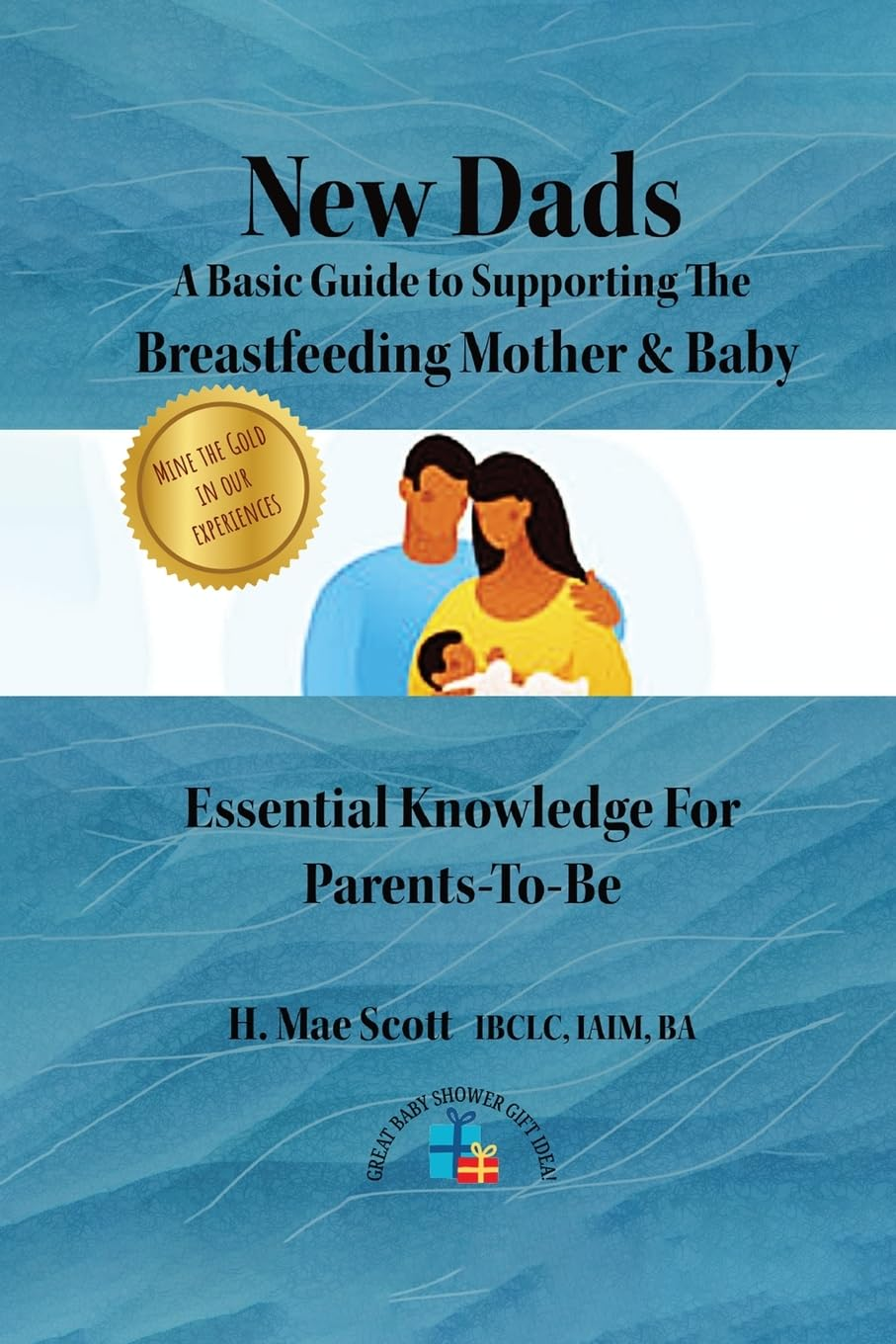
As a new parent, one of the most important skills to develop is recognizing when your baby is hungry. Feeding on demand—responding to your baby’s hunger cues—can help establish a healthy breastfeeding routine and promote better bonding. In her insightful guide, New Dads, H Mae Scott provides practical advice on how partners can assist in understanding and responding to these cues effectively. Knowing the signs of hunger can help reduce stress for both parents and babies, making the feeding experience smoother and more enjoyable.
The Early Signs of Hunger
Babies often show subtle signs of hunger before they begin to cry. In New Dads, H Mae Scott emphasizes the importance of recognizing these early cues to ensure a more relaxed feeding experience. These early hunger signs may include the baby turning their head from side to side, smacking their lips, or making soft sucking noises. Another common early cue is the baby bringing their hands to their mouth. By identifying these signals promptly, parents can start the feeding process before the baby becomes distressed. Scott advises dads to observe their baby’s behavior closely, especially in the first few weeks, to get familiar with these early hunger indicators.
Mid-Level Hunger Cues: Increasing the Urgency
If early hunger cues are missed, babies will often escalate their signals. According to H Mae Scott in her book New Dads, mid-level hunger cues include more noticeable behaviors such as rooting (turning their head and opening their mouth when their cheek is touched), sucking on their fingers, or becoming more alert and active. At this stage, the baby may also start to fuss or whimper softly. Scott explains that responding to these mid-level cues can still lead to a smooth feeding session, as the baby is signaling a growing need for nourishment. Fathers can support by helping the mother position the baby for feeding or by preparing a bottle if needed, ensuring a quick response to the baby’s needs.
Late Hunger Cues: When Crying Begins
Crying is often a late hunger cue, and by the time a baby reaches this stage, they may be more challenging to feed. In New Dads, H Mae Scott advises that waiting until the baby cries can lead to a more stressful feeding experience for both the baby and parents. A crying baby may have a harder time latching on, which can cause frustration for the mother and delay the feeding process. Scott recommends calming the baby first by holding them close, rocking gently, or using soothing sounds before attempting to feed. Understanding that crying is a late signal helps parents take a proactive approach to feeding, aiming to catch earlier cues whenever possible.
The Role of Skin-to-Skin Contact
One of the techniques recommended by H Mae Scott in New Dads to better understand hunger cues is skin-to-skin contact. This practice not only helps regulate the baby’s temperature and heart rate but also makes it easier to notice early hunger signals. Babies placed skin-to-skin with their parents are more likely to root and show signs of hunger sooner than those swaddled in blankets. Scott highlights that dads can play a crucial role in this process by holding their baby skin-to-skin, which not only supports the breastfeeding mother but also strengthens the bond between father and child. This intimate practice can help fathers become more attuned to their baby’s unique hunger cues.
Supporting Feeding On Demand
Feeding on demand is a responsive approach that involves feeding the baby whenever they show signs of hunger rather than on a strict schedule. H Mae Scott, in her book New Dads, encourages parents to adopt this flexible method, as it aligns with the baby’s natural feeding rhythms. She explains that newborns have small stomachs and need to eat frequently, often 8-12 times within a 24-hour period. Fathers can support feeding on demand by keeping track of hunger cues and feeding times, which helps mothers stay organized and reduces the stress of remembering when the last feed took place. Scott also suggests using a feeding log or app to monitor patterns, making it easier to anticipate when the baby might be ready to eat.
Common Misinterpretations of Hunger Cues
New parents may sometimes misinterpret hunger cues, mistaking them for other needs like comfort or a diaper change. In New Dads, H Mae Scott points out that not all fussiness is related to hunger. Babies might suck on their hands as a way to self-soothe or may root for comfort rather than food. Scott advises fathers to use a process of elimination by checking if the baby needs a diaper change, is tired, or simply wants to be held. Understanding these distinctions can prevent overfeeding and help parents respond more accurately to their baby’s needs. Fathers can also help by offering a pacifier to see if the baby is seeking comfort rather than food.
Conclusion
Recognizing and responding to your baby’s hunger cues is essential for a positive feeding experience and overall well-being. As H Mae Scott outlines in her book New Dads, understanding these cues can reduce stress, promote bonding, and ensure that your baby is well nourished. Fathers who take the time to learn about early, mid-level, and late hunger signs can provide invaluable support to breastfeeding mothers, creating a team approach to infant care. By being attentive and proactive, dads can make a significant difference in their baby’s feeding journey, leading to a happier and healthier family dynamic.