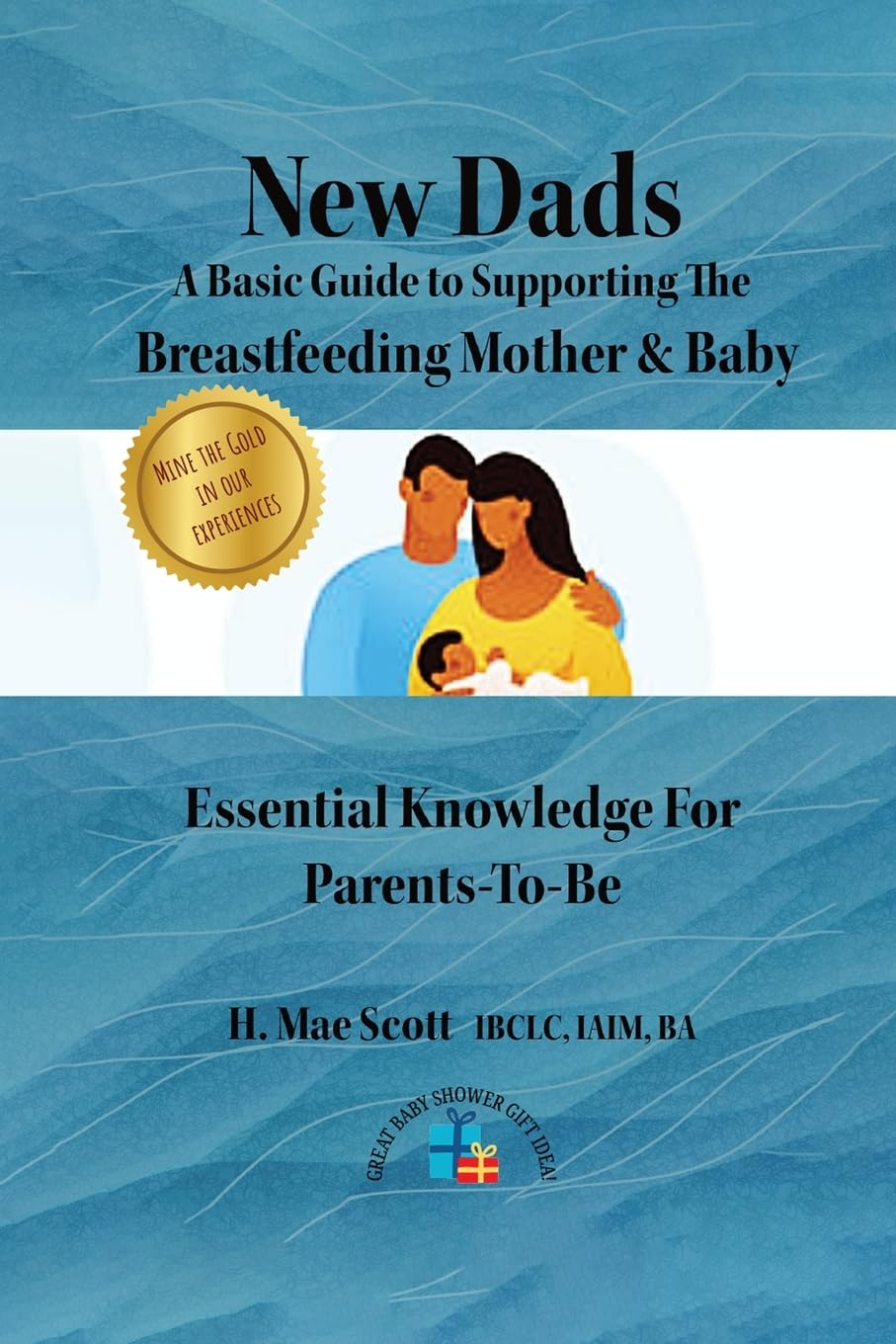
In her comprehensive guide, New Dads, H Mae Scott emphasizes the crucial role partners play in supporting breastfeeding mothers, not just physically but emotionally as well. This support is vital for the well-being of both mother and baby. By understanding the unique needs of breastfeeding mothers, dads can provide meaningful support that promotes both self-care and a healthy family dynamic.
The Importance of Emotional Support
Breastfeeding can be an emotional roller coaster, especially for first-time mothers. The hormonal changes after childbirth, combined with the demands of nursing, can lead to feelings of stress, anxiety, or even postpartum depression. According to New Dads by H Mae Scott, fathers play a crucial role in providing emotional support. Simple gestures like actively listening, offering words of encouragement, and being patient during tough times can make a significant difference. Scott emphasizes that dads should reassure mothers that they are doing a great job, especially when they feel overwhelmed or uncertain about breastfeeding. Emotional support from a partner can help mothers feel valued, reducing feelings of isolation and stress during this delicate period.
Creating a Relaxing Breastfeeding Environment
A calm and comfortable environment is essential for successful breastfeeding. In New Dads, H Mae Scott advises that partners can help set up a designated “nursing station” to ensure mothers have everything they need during feeding sessions. This space can include comfortable seating, pillows for support, easy access to water, healthy snacks, and soothing music to create a relaxing atmosphere. By creating a dedicated space for breastfeeding, dads show their commitment to their partner’s comfort and well-being. Scott suggests that even small actions like dimming the lights or reducing noise levels can contribute to a more soothing breastfeeding experience, which in turn can improve milk flow and the overall bonding experience.
Encouraging Physical Self-Care
Breastfeeding is physically demanding, often leaving mothers exhausted and drained. It’s important for partners to encourage mothers to prioritize their own physical health. H Mae Scott, in her book New Dads, highlights the need for adequate rest, hydration, and nutrition for breastfeeding mothers. Dads can support physical self-care by taking over household chores, preparing nutritious meals, and reminding mothers to drink plenty of fluids throughout the day. Additionally, Scott suggests that partners encourage mothers to take short breaks for themselves—whether it’s a quick nap, a warm bath, or a brief walk outdoors. By helping mothers recharge, dads are supporting not only their partner’s well-being but also their ability to sustain breastfeeding over the long term.
Assisting with Stress Relief Techniques
The early days of parenthood can be stressful, especially when trying to establish a breastfeeding routine. In New Dads, H Mae Scott offers practical advice on how partners can assist in stress relief for new mothers. Techniques like gentle massages, practicing deep-breathing exercises together, or even engaging in a relaxing hobby can be incredibly beneficial. Scott highlights that taking just a few minutes to unwind can make a big difference in a mother’s mood and overall energy levels. Partners can also encourage mothers to explore postpartum yoga or meditation, which can help alleviate stress and promote a positive mindset. By supporting stress relief, dads are contributing to a healthier, more peaceful postpartum experience.
Promoting Social Support and Connection
One of the most overlooked aspects of self-care for new mothers is the need for social connection. Breastfeeding can sometimes feel isolating, especially if mothers are confined to the house for long periods. H Mae Scott, in her insightful book New Dads, emphasizes the importance of encouraging mothers to stay connected with friends, family, or support groups. Partners can play a supportive role by arranging virtual calls with loved ones or encouraging mothers to join breastfeeding support groups. These connections can provide valuable emotional support, helping mothers feel less alone in their journey. Scott suggests that partners should also participate in these social activities when possible, reinforcing a sense of community and shared experience.
Being an Advocate for Postpartum Mental Health
Postpartum depression and anxiety are real challenges that many new mothers face. In New Dads, H Mae Scott stresses the importance of partners being vigilant about the mental health of breastfeeding mothers. Fathers should watch for signs of mood swings, prolonged sadness, or extreme fatigue, which may indicate postpartum depression. Scott advises that partners approach this issue with empathy and understanding, encouraging mothers to seek professional help if needed. By being proactive in supporting mental health, dads can help create a nurturing environment that benefits both mother and baby.
Conclusion
Supporting a breastfeeding mother goes beyond simply providing for her physical needs. As H Mae Scott outlines in New Dads, emotional and physical self-care are intertwined, and partners have a significant role in fostering both. By offering encouragement, creating a supportive environment, promoting self-care practices, and being mindful of mental health, fathers can make a meaningful impact on the breastfeeding journey. This active involvement not only strengthens the bond between partners but also lays a solid foundation for a healthy and loving family life. As Scott emphasizes, when dads step up to support breastfeeding mothers, they are investing in the well-being of their entire family.