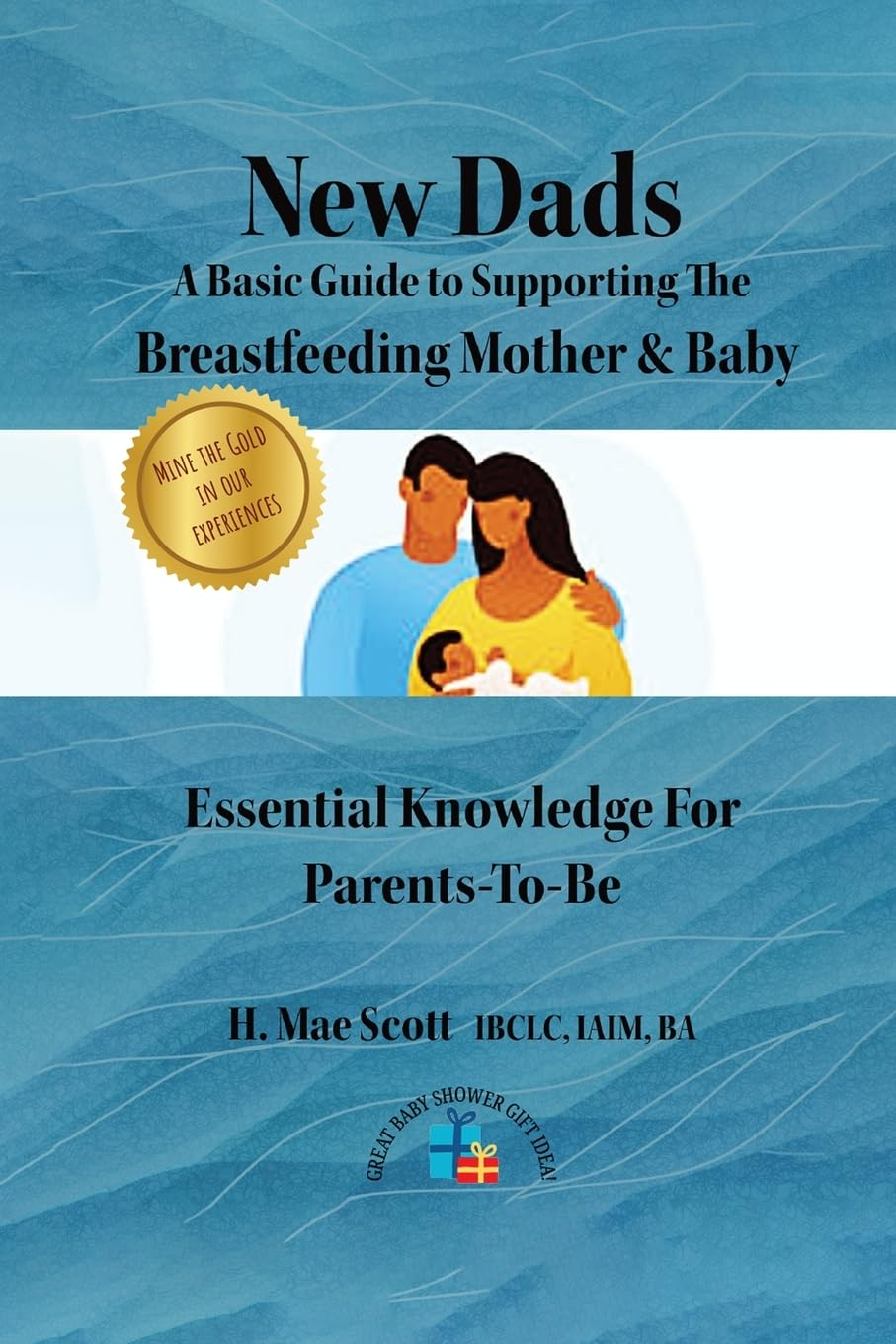
Breastfeeding is one of the most natural and beneficial ways to nourish a newborn, but it doesn’t always come without challenges. There is often physical discomfort, emotional strain, or logistical hurdles in the journey of most mothers. As a dad, you may be unsure of how to assist. New Dads: A Basic Guide to Supporting the Breastfeeding Mother & Baby is very much needed to overcome the many challenges. Here’s how you can step in and make a difference.
Recognizing Common Breastfeeding Challenges
You hear this is a common concern: the latch causes nipple soreness and cracked nipples, especially shallow latches. As a father, you can help during feeding. Assist your mate in keeping the baby perfectly positioned on the breast. Encourage your mate to allow the baby to open as wide as possible before latching in again. Also, assist in supporting pillows for comfortable feeding postures. If the pain lingers, I recommend that she try nipple creams, soothing gel pads or visit a lactation consultant.
Another common concern is engorgement-that’s when the breasts become overly full, which can hurt to her and makes it not an easy task for the baby to latch. Using warm compresses, gentle massaging, and frequent nursing is of assistance in relieving this discomfort. You could do it by preparing the compress or helping her with soft gentle rubbing if she’d let you.
Even worse conditions include plugged milk ducts or mastitis. In case of redness, swelling, or a flu-like situation, it might be from a plugged duct or an infection. Inform her to feed frequently from the involved side and take fluid intake. Should it become worse, prompt her to visit a healthcare facility immediately.
Providing Emotional Support
Breastfeeding is not just a physical journey; it is also an emotional one. Sometimes, challenges lead a mother to frustration, anxiety, or self-doubting. The best way one can help, apart from being there and relating, is to listen without judging, reassuring her of doing amazing, and telling her how normal and temporary challenges might be.
Postpartum emotions can exaggerate the distress of problems breastfeeding. Check for some cues that she needs additional care, either through a lactation consultant or the healthcare provider. Your task as the partner is to be that anchor for her emotions when the times get hard.
Preventing Future Issues
Anticipating and mitigating potential challenges can ease the breastfeeding process. Guide her to monitor feeding times so that the baby has a chance to feed and maintain milk supply without experiencing engorgement. Anticipate hunger cues for the baby, such as root reflex or sucking of fingers, and advise her to nurse before the baby starts becoming irritable.
You can also take over other non-breastfeeding tasks to give her more time to rest and recover. Handle diaper changes, meal prep, or household chores so she can focus on nursing and self-care.
Why Your Support Matters
This is a partnership, and you can make all the difference in it. By supporting her through these challenges, you are helping her not only but also bringing both of you closer together as a family to overcome any hurdle that comes your way and ensure that breastfeeding will continue to be a positive experience for both of you.